
The Future of Drone Cleaning and How It’s Shaping the Property
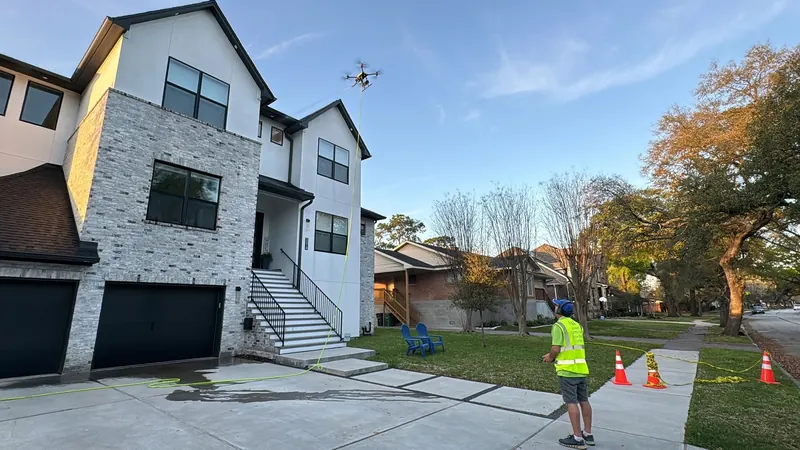
Residential Building getting cleaned by FAA expert pilot
Modern property maintenance is changing — and drone cleaning is at the forefront of that transformation. What once seemed like futuristic technology is now becoming a practical solution for hotels, condominiums, commercial buildings, and property managers who need safer, faster, and more efficient ways to keep exteriors clean.
But this is only the beginning.
As drone cleaning technology evolves, it’s reshaping the cleaning industry in ways that impact operations, cost, sustainability, safety, and customer expectations. In this article, we explore the future implications of drone cleaning and how this innovation is influencing — and will continue to influence — the property maintenance landscape.
Why the Drone Cleaning Revolution Matters
Exterior cleaning has long been one of the toughest operational challenges for property owners. Traditional methods rely on scaffolding, rope access, lifts, and large crews working at height — all of which add time, cost, safety risk, and complexity.
Drone cleaning changes that. It introduces a method that is:
- Faster
- Safer
- Less disruptive
- More cost-effective
- Scalable
This shift is not just incremental — it’s transformative.
Smarter Technology, Better Results
Today’s drone cleaning systems are already delivering superior results, but tomorrow’s technology promises even more capability.
Future advancements may include:
- Artificial intelligence for route planning: Drones could autonomously scan building façades, evaluate dirt buildup, and plan optimized cleaning paths without human input.
- Integrated sensors: Real-time surface detection can adjust cleaning intensity based on material type and level of dirt.
- Automated scheduling: Property managers could program periodic cleaning cycles that drones perform on their own.
These innovations will make cleaning smarter and even more efficient.
Expanded Roles Beyond Cleaning
Drone cleaning technology isn’t limited to washing surfaces. Future use cases could include:
Surface Inspection
Drones could provide high-resolution imaging to detect damage, cracks, stains, or structural issues that require maintenance.
Preventive Maintenance
Regular drone scans can spot early signs of wear or buildup, helping owners fix small problems before they become costly repairs.
Asset Mapping
Drone data may be used to build 3D models of building exteriors for planning, repairs, and architectural documentation.
As these capabilities grow, drones could become a central tool in property maintenance — not just for cleaning.
Safer Workplaces with Fewer Risks
Safety will continue to be a major reason businesses adopt drone cleaning. Traditional exterior maintenance exposes workers to falls, equipment hazards, and high-risk environments.
Future drones may include:
- Enhanced obstacle detection
- Weather-adaptive flight controls
- Remote monitoring and automated shutoffs
These advancements reduce human exposure to dangerous conditions and make properties safer overall.
Cost Efficiency and Operational Transformation
One of the biggest reasons drone cleaning is gaining traction is cost efficiency. Future improvements will amplify this.
As drone systems become more capable:
- Labor hours per job will decrease
- Cleaning cycles will take less time
- Fewer follow-up visits will be needed
- Resource usage (water, chemicals) will be optimized
This means businesses can maintain cleaner properties with lower operational budgets and more predictable costs.
Sustainability and Environmental Impact
Drone cleaning already uses water and cleaning agents more efficiently than many traditional methods. As technology improves, environmental benefits will expand.
Future systems could include:
- Water recycling mechanisms
- Targeted chemical application
- Energy-efficient drone platforms
These advancements will make drone cleaning a more sustainable choice for businesses focused on reducing environmental impact and meeting ESG (Environmental, Social & Governance) standards.
Greater Accessibility for All Property Types
At first, drone cleaning was most effective for low- and mid-rise properties. However, future tech could extend its usefulness to more types of buildings.
With enhanced flight control and autonomous navigation, drones may soon:
- Handle taller structures with precision
- Navigate complex architectural features
- Provide focused cleaning in tight or irregular spaces
This expands the reach of drone cleaning to broader segments of the property market.
What This Means for Property Managers
The future of drone cleaning isn’t just about technology — it’s about what it means for people who manage properties every day.
Drone cleaning offers:
- Reduced time invested in planning and execution
- Less administrative burden
- Better coordination and scheduling
- A shift from reactive maintenance to proactive care
These benefits will help property managers operate with greater confidence, clarity, and control.
How Businesses Can Prepare for the Drone Cleaning Future
To take advantage of future trends, businesses can start with:
Educating Teams:
Understanding how drone cleaning works and its benefits helps teams adopt the technology faster.
Budgeting for Innovation:
Allocating resources for newer cleaning technologies can unlock long-term savings.
Partnering with Trusted Providers:
Working with experienced drone cleaning companies ensures professional service and future-ready operations.
Final Thoughts: Drone Cleaning as the New Standard
The future of drone cleaning is not a distant concept — it’s unfolding today. As technology advances, drone cleaning will continue to transform the property maintenance industry, making cleaning operations smarter, safer, more efficient, and more cost-effective.
For businesses that want to stay ahead of the curve, embracing drone cleaning now will pay dividends in the years to come. Whether it’s faster cleaning cycles, lower costs, improved safety, or expanded maintenance capabilities, drone cleaning is shaping the future of exterior property care.