
How Pressure Washing Drones are Shifting the Cleaning Industry
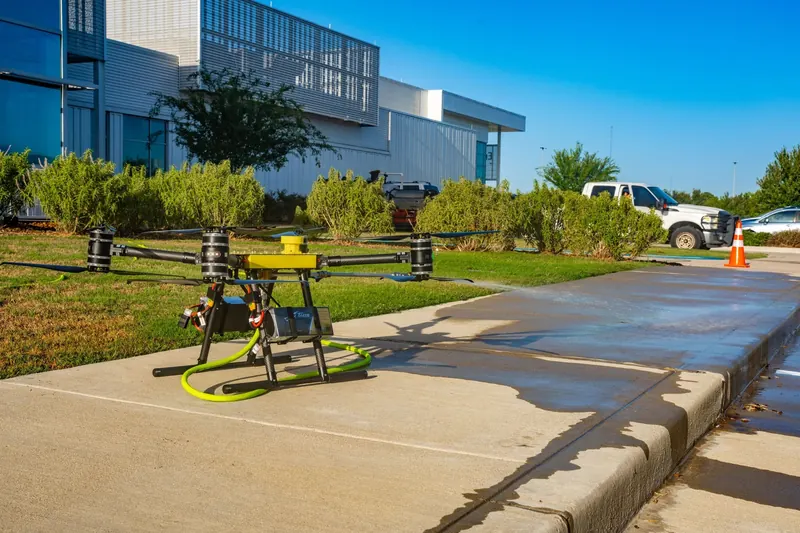
In a world where innovation meets efficiency, the cleaning industry is witnessing a groundbreaking transformation with the advent of pressure washing drones. No longer confined to traditional cleaning methods, these high-tech devices are set to redefine how we approach outdoor maintenance. Imagine effortlessly eliminating grime from high rooftops or expansive surfaces, all while reducing labor costs and minimizing environmental impact. Pressure washing drones equip operators with unparalleled precision and speed, ensuring that even the most challenging cleaning tasks are handled quickly and effectively. As urban environments and outdoor spaces demand more attention, these drones offer a game-changing solution that merges technology with sustainability. Join us as we explore how pressure washing drones are not just cleaning surfaces but revolutionizing the way we think about cleanliness in our homes, businesses, and communities. Discover the future of cleaning, where efficiency and innovation soar to new heights!
Revolutionizing Clean: How Pressure Washing Drones are Transforming the Cleaning Industry
The Evolution of Cleaning Technology
The cleaning industry has seen significant advancements over the decades, from the introduction of basic cleaning tools to the adoption of complex machinery. What began with simple brooms and mops has evolved into an industry where high-powered pressure washers and automated robots are the norm. These developments have not only enhanced the efficiency of cleaning tasks but have also broadened the scope of what can be cleaned. The introduction of pressure washing drones represents the latest leap in this ongoing evolution, showcasing how far technology has come in addressing even the most challenging cleaning scenarios.
In the early days of cleaning technology, manual labor was the primary means of maintaining cleanliness. This began to shift with the advent of mechanized equipment, such as vacuum cleaners and floor polishers, which significantly reduced the physical burden on workers. The arrival of pressure washers marked another significant milestone, allowing for the rapid and effective removal of stubborn dirt and grime from various surfaces. These innovations laid the groundwork for the next significant breakthrough: the integration of drone technology into cleaning operations.
Pressure washing drones represent the culmination of years of technological advancements in both the cleaning and aviation industries. These high-tech devices combine the power of traditional pressure washers with the mobility and precision of drones, offering a revolutionary approach to cleaning. Unlike their predecessors, which were often limited by accessibility and safety concerns, pressure washing drones can reach high, hard-to-access areas with ease. This capability not only enhances the effectiveness of cleaning tasks but also opens up new possibilities for maintaining cleanliness in urban and industrial environments.
Benefits of Using Drones for Pressure Washing
The use of drones for pressure washing brings a multitude of benefits that traditional cleaning methods simply cannot match. One of the most significant advantages is the ability to reach areas that are difficult or dangerous for humans to access. High-rise buildings, rooftops, and bridges are just a few examples of structures that pose a challenge for conventional cleaning techniques. Pressure washing drones can effortlessly navigate these environments, ensuring comprehensive cleaning without putting workers at risk.
Another major benefit is the efficiency and speed that drones bring to cleaning operations. Traditional pressure washing often requires extensive setup, including scaffolding, ladders, or lift systems, which can be time-consuming and labor-intensive. Drones, on the other hand, can be deployed quickly and easily, reducing the time and effort required for each cleaning task. This increased efficiency translates to cost savings, as less labor and equipment are needed to achieve the same results.
Environmental sustainability is another key advantage of using pressure washing drones. These devices are designed to operate with minimal water usage, making them a more eco-friendly option compared to traditional pressure washers. Additionally, the precision of drone technology allows for targeted cleaning, reducing the amount of water and cleaning agents needed. This not only helps conserve natural resources but also minimizes the environmental impact of cleaning operations.
How Pressure Washing Drones Work
The operation of pressure washing drones involves a sophisticated interplay of advanced technologies. At the core of these devices is a high-performance drone equipped with a pressure washing system, including a water tank, pump, and nozzle. The drone is controlled remotely by an operator, who can maneuver it to the desired cleaning location with pinpoint accuracy. The integration of GPS technology allows for precise navigation and the ability to program specific cleaning routes.
The pressure washing system itself is designed to deliver powerful jets of water that can remove dirt, grime, and other contaminants from a variety of surfaces. The water tank and pump are typically lightweight yet robust, ensuring that the drone can maintain optimal performance without being weighed down. The nozzle can be adjusted to different spray patterns and pressures, allowing for customized cleaning based on the specific requirements of each task.
One of the key features of pressure washing drones is their ability to maintain stability and control even in challenging conditions. Advanced sensors and gyroscopic systems help the drone maintain balance and orientation, ensuring that the cleaning process is smooth and effective. Additionally, real-time video feeds from onboard cameras provide operators with a clear view of the cleaning area, allowing for precise control and immediate adjustments as needed.
Applications of Pressure Washing Drones in Various Industries
The versatility of pressure washing drones makes them suitable for a wide range of applications across various industries. In the construction industry, these drones are invaluable for cleaning building exteriors, removing dust and debris from construction sites, and maintaining the cleanliness of equipment and machinery. They can also be used to clean high-rise buildings and skyscrapers, ensuring that these structures remain free of dirt and pollutants without the need for dangerous manual labor.
In the transportation sector, pressure washing drones are being used to clean and maintain infrastructure such as bridges, tunnels, and highways. These environments are often difficult to access and can pose significant safety risks for workers. Drones can navigate these challenging areas with ease, providing thorough cleaning while minimizing the need for road closures or other disruptions. Additionally, the precision of drone technology ensures that cleaning operations are both effective and efficient.
The agricultural industry also benefits from the use of pressure washing drones. These devices can be used to clean barns, silos, and other farm structures, ensuring that they remain free of contaminants that could affect the health of livestock or crops. Drones can also be used to clean agricultural equipment, removing dirt and residues that could impact performance. This helps maintain the overall cleanliness and efficiency of farming operations, contributing to better yields and healthier environments.
Cost-Effectiveness of Drone-Based Cleaning Solutions
The cost-effectiveness of pressure washing drones is one of the most compelling reasons for their adoption in the cleaning industry. Traditional cleaning methods often involve significant labor costs, as multiple workers are needed to operate equipment, set up scaffolding, and perform manual cleaning tasks. Drones, however, require only a small team to operate, significantly reducing labor expenses. This reduction in labor costs is particularly beneficial for large-scale or complex cleaning projects, where traditional methods may be prohibitively expensive.
In addition to lower labor costs, pressure washing drones also offer savings on equipment and setup expenses. Traditional pressure washing often requires extensive equipment, including scaffolding, ladders, and lift systems. These items can be costly to rent or purchase, and their setup and teardown can add to the overall project time. Drones eliminate the need for such equipment, as they can be quickly deployed and easily maneuvered to the necessary cleaning locations. This streamlined approach reduces both time and costs associated with equipment setup and maintenance.
The efficiency and speed of drone-based cleaning solutions also contribute to their cost-effectiveness. Drones can complete cleaning tasks more quickly than traditional methods, reducing the overall project duration. This increased efficiency not only results in lower labor costs but also minimizes disruptions to regular operations, which can be particularly important for businesses and industries that rely on continuous operation. By reducing the time and resources needed for cleaning, pressure washing drones offer a cost-effective solution that does not compromise on quality or effectiveness.
Safety Advantages of Drones in Cleaning Operations
Safety is a paramount concern in the cleaning industry, particularly when it comes to high-rise buildings, industrial sites, and other challenging environments. Traditional cleaning methods often require workers to operate at significant heights or in hazardous conditions, posing risks of falls, injuries, and other accidents. Pressure washing drones mitigate these risks by allowing operators to perform cleaning tasks remotely, without the need for physical presence in dangerous areas. This enhances overall safety while ensuring that cleaning operations are carried out effectively.
One of the primary safety advantages of using drones for pressure washing is the reduction of fall hazards. High-rise buildings, bridges, and other tall structures often require workers to use scaffolding, ladders, or lift systems to reach the necessary cleaning areas. These methods can be precarious and increase the risk of falls and injuries. Drones, on the other hand, can easily access these heights without the need for manual intervention, significantly reducing the potential for accidents.
In addition to reducing fall hazards, pressure washing drones also enhance safety by minimizing exposure to hazardous materials and environments. Industrial sites, for example, may contain chemicals, pollutants, or other substances that pose health risks to workers. Drones can perform cleaning tasks in these environments without direct human involvement, reducing the risk of exposure to harmful substances. This not only protects workers but also ensures that cleaning operations comply with safety regulations and standards.
Comparing Traditional Pressure Washing to Drone Technology
While traditional pressure washing has long been a staple in the cleaning industry, the advent of drone technology has introduced a new paradigm that offers distinct advantages. Traditional pressure washing typically involves the use of handheld or mounted equipment to deliver high-pressure water jets for cleaning surfaces. While effective, this method often requires significant labor, equipment, and setup time, particularly for large or hard-to-reach areas. Drones, by contrast, offer a more efficient and versatile approach to pressure washing.
One of the key differences between traditional pressure washing and drone technology is accessibility. Traditional methods often require scaffolding, ladders, or lift systems to reach high or difficult-to-access areas, such as building facades, rooftops, or bridges. These setups can be time-consuming and pose safety risks to workers. Drones, however, can easily navigate these environments, reaching heights and angles that would be challenging or dangerous for manual cleaning. This not only enhances the effectiveness of cleaning but also reduces the need for extensive equipment and labor.
Another significant difference is the efficiency and speed of cleaning operations. Traditional pressure washing can be labor-intensive and time-consuming, particularly for large-scale projects. Drones, on the other hand, can complete cleaning tasks more quickly due to their agility and precision. This increased efficiency translates to cost savings and reduced project durations, making drone technology an attractive option for businesses and industries seeking to optimize their cleaning operations. Furthermore, drones offer the advantage of real-time monitoring and adjustments, ensuring that cleaning is thorough and consistent.
Future Trends in Drone Cleaning Technology
The future of drone cleaning technology is poised to bring even more innovative advancements, further transforming the cleaning industry. One of the most exciting trends is the integration of artificial intelligence (AI) and machine learning into drone operations. These technologies can enable drones to perform autonomous cleaning tasks, analyzing surfaces and adjusting cleaning parameters in real-time for optimal results. AI-powered drones can also learn from previous cleaning operations, continuously improving their performance and efficiency.
Another emerging trend is the development of specialized drones designed for specific cleaning applications. For example, drones equipped with advanced sensors and UV-C light technology can be used for disinfecting and sterilizing surfaces, a capability that has become increasingly important in the wake of the COVID-19 pandemic. Similarly, drones with specialized nozzles and attachments can be tailored for tasks such as graffiti removal, window cleaning, or solar panel maintenance. These specialized drones offer targeted solutions for a wide range of cleaning needs.
The advancement of drone technology also promises greater environmental sustainability. Researchers and developers are exploring ways to enhance the eco-friendliness of drone cleaning operations, such as using biodegradable cleaning agents and incorporating water recycling systems. Drones powered by renewable energy sources, such as solar or wind power, are also being developed, reducing the carbon footprint of cleaning operations. These innovations align with growing environmental awareness and the need for sustainable practices in all industries.
Conclusion: The Future of Cleaning with Drones
As we look to the future, it is clear that pressure washing drones are set to play a pivotal role in revolutionizing the cleaning industry. Their ability to reach inaccessible areas, enhance safety, and improve efficiency makes them an invaluable tool for a wide range of applications. From high-rise buildings and industrial sites to agricultural environments and public infrastructure, these drones offer a versatile and effective solution for maintaining cleanliness and hygiene in our communities.
The ongoing advancements in drone technology, including the integration of AI, machine learning, and specialized attachments, promise to further enhance the capabilities and applications of pressure washing drones. As these innovations continue to develop, we can expect to see even greater efficiency, precision, and environmental sustainability in cleaning operations. This ongoing evolution underscores the importance of embracing new technologies to meet the growing demands of modern urban and industrial environments.
In conclusion, the advent of pressure washing drones represents a significant leap forward in the cleaning industry. By combining the power of traditional pressure washers with the mobility and precision of drones, these devices offer a game-changing solution that addresses the limitations of conventional cleaning methods. As we continue to explore the possibilities of drone technology, we can look forward to a future where cleanliness is achieved with greater efficiency, safety, and sustainability, transforming the way we think about and approach cleaning in our homes, businesses, and communities.
Experience the future of exterior maintenance with FlyWash Drone. Whether you're managing a hotel, condominium, farm, or industrial facility, our drone pressure washing services deliver safe, efficient, and eco-friendly results—no ladders, no scaffolding, no downtime.
👉 Contact FlyWash Drone today to schedule a demo or get a free quote, and let innovation take your cleaning to new heights.
📍 Serving Texas and beyond.
🌐 www.flywashdrone.com | ✉️ info@flywashdrone.com | 📞 +1-877-359-9274