
Environmental Sustainability (With Drone Cleaning Impact)
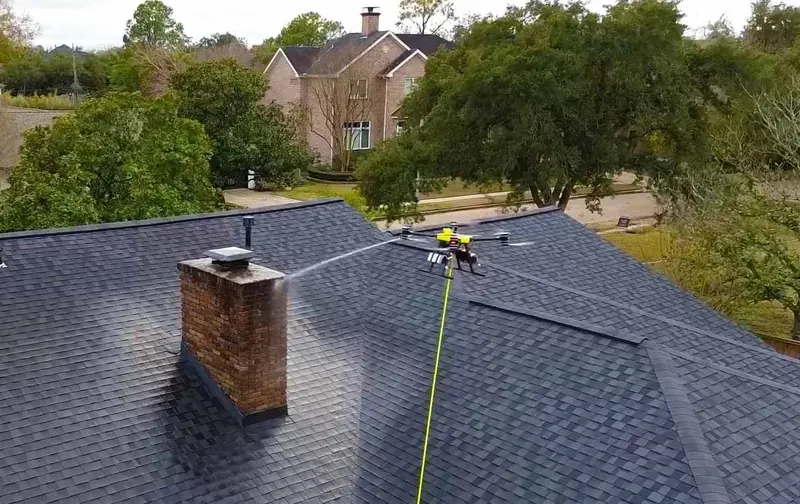
Environmental sustainability is no longer an optional add-on for modern businesses — it’s a strategic priority. Companies today are expected to reduce waste, cut emissions, conserve natural resources, and operate in ways that protect the planet while still delivering value.
For property owners and facility managers, sustainability isn’t just about recycling cans or lowering electricity use. It also includes choosing smarter, cleaner maintenance methods that reduce environmental impact without sacrificing performance.
One such method that’s gaining traction is drone cleaning — a technology that delivers a more sustainable alternative to traditional exterior cleaning. In this article, we’ll explore the role of businesses in environmental sustainability, how property services like drone cleaning contribute, and why sustainability matters for your bottom line.
Why Environmental Sustainability Matters for Businesses
Environmental sustainability means meeting present needs without compromising the ability of future generations to meet theirs. For businesses, this translates to:
- Reducing waste
- Conserving energy and water
- Minimizing harmful emissions
- Using resources efficiently
- Supporting community health
Companies that adopt sustainable practices not only help the planet — they also benefit from cost savings, stronger customer loyalty, and enhanced brand reputation.
How Businesses Influence Environmental Outcomes
Every business makes choices that impact the environment. Some examples include:
Operational Decisions:
How energy, water, and materials are used in daily operations.
Supply Chain Choices:
Selecting partners with green practices or eco-friendly products.
Technology Adoption:
Using tools and processes that decrease resource consumption.
Waste Management:
Reducing, reusing, and properly disposing of byproducts.
Together, these decisions determine how much a company contributes to environmental preservation — or degradation.
Traditional Cleaning vs. Sustainable Methods
Exterior property cleaning is essential, but traditional approaches often have significant environmental costs:
- Heavy machinery uses more fuel
- Pressure washing wastes large volumes of water
- Chemicals may run off into soil and storm drains
- Large crews increase operational footprint
In contrast, modern cleaning technologies — especially drone cleaning services — offer a more sustainable alternative.
How Drone Cleaning Supports Environmental Sustainability
Reduced Water Consumption
Drone cleaning systems use water more efficiently than traditional pressure washing. Instead of blasting entire surfaces indiscriminately, drones apply targeted cleaning only where needed. This reduces water waste and conserves a critical natural resource.
Minimized Chemical Runoff
Drone cleaning applies cleaning solutions precisely, reducing excess chemical usage. Less runoff means fewer pollutants entering storm drains, soil, or nearby vegetation.
For properties in urban or sensitive environments, this is a meaningful sustainability win.
Lower Energy and Fuel Use
Traditional exterior cleaning often requires scaffolding, lifts, generators, and heavy equipment — all of which consume fuel or electricity. Drone cleaning operates with compact energy-efficient systems that reduce power demand and carbon emissions.
This supports a smaller operational footprint across the lifecycle of the cleaning process.
Fewer Workers at Height
Safety-driven processes like rope access or lift work require multiple workers and support staff on site. While safety itself isn’t an environmental factor, reduced on-site activity results in:
- Less transportation emissions
- Less equipment staging
- Lower resource use overall
These efficiencies indirectly improve sustainability outcomes.
Environmental Sustainability and Business Strategy
Sustainability is more than a checklist — it’s a strategic advantage.
Businesses that lead in environmental responsibility often see benefits like:
- Stronger brand reputation
- Industry leadership recognition
- Higher customer trust and loyalty
- Regulatory compliance and future-proofing
- Lower long-term operating costs
Companies that embrace sustainability early are better positioned for growth in an eco-aware market.
Case in Point: Sustainable Property Maintenance
Imagine two neighboring hotel properties:
Property A uses traditional exterior cleaning twice a year with high water use and heavy lifts.
Property B uses drone cleaning quarterly, conserving water and avoiding heavy equipment.
Over time, Property B:
- Uses less water
- Reduces fuel and carbon emissions
- Minimizes disturbance to guests and surroundings
- Maintains a cleaner exterior regularly
This example highlights how sustainable choices in property maintenance can deliver real impact — both environmentally and operationally.
Practical Sustainability Actions for Businesses
Environmental sustainability doesn’t require radical overhaul overnight. Some practical steps include:
Audit Resource Use:
Track water, energy, and waste to understand key impact areas.
Choose Eco-Focused Vendors:
Work with service providers committed to sustainable practices.
Adopt Technology that Reduces Waste:
Tools like drone cleaning can optimize resource use and reduce impact.
Train Staff on Green Practices:
Educated teams make smarter environmental decisions daily.
Publicly Share Sustainability Efforts:
Transparency builds trust and encourages community support.
Why Property Managers Should Care
Property managers play a central role in sustainability because they influence everyday operations, vendor choices, and maintenance strategies. Choosing environmentally smarter methods like drone cleaning demonstrates leadership and builds reputation.
Plus, there’s an economic upside — sustainable practices often reduce costs and improve operational efficiency simultaneously.
Final Thoughts
Environmental sustainability is a responsibility — and an opportunity. Businesses that integrate sustainability into their strategies gain environmental and economic advantages.
Drone cleaning services provide a modern example of how technology can support sustainability goals while improving operational outcomes. By using less water, applying chemicals responsibly, reducing fuel consumption, and minimizing resource waste, drone cleaning helps companies maintain clean properties — and a cleaner planet.
For any business seeking long-term resilience, customer trust, and operational excellence, environmental sustainability is not just important — it’s essential.